ARQUITECTOS ISABEL DOMINGOS E JOÃO APPLETON
Entre a elegância da faktura e a energia do evento
A exposição é um dispositivo fundamental da arte do século XX.
Podemos mesmo dizer um pouco mais afirmativamente: o século XX criou um novo dispositivo para a arte que é a exposição, com os seus sistemas de procedimento, os seus protocolos, as suas práticas e os seus espaços.
O surgimento da exposição enquanto dispositivo não deixou incólume a criação artística. Bem pelo contrário, os artistas começaram a produzir obras para situações expositivas específicas e de dois modos: ou como intervenções num espaço definido que se torna no próprio assunto da intervenção, ou como concepção da questão expositiva enquanto narrativa central do artístico da arte.
Esta mudança é cronologicamente acompanhada de perto por uma outra, o surgimento do museu de arte moderna e contemporânea como uma instituição que redefine, estrutura, disciplina e produz discurso sobre a linguagem expositiva a partir de uma estrutura de pensamento colhida à História de Arte – primeiro – depois à construção de uma fenomenologia da experiência espacial e finalmente como uma situação que quebra com a relação espectador/obra, subjectum/objectum, para tentar definir uma outra que prescinde da categoria do “perante” e, a partir desta mecânica, tenta demitir a relação tradicional da estética do gosto, do desinteresse e da distância, uma das aporias fundamentais do moderno. Este desenvolvimento propõe uma lógica de hipermodernidade, mais do que uma ruptura com a modernidade histórica, embora sobre ela pese (quer no discurso teórico, quer no jargão artístico) uma herança da interpretação centrada sobre o formalismo e a grande narratividade histórica, ambas manifestamente insuficientes para cobrir a complexidade do espectro do fenómeno moderno e mesmo da sua versão meta-discursiva (o modernismo) ou até o seu momento maneirista (a vanguarda).
O museu, como a galeria de exposições, é uma invenção da mudança de regime politico oriunda da Revolução Francesa, mas o museu de arte moderna e contemporânea é uma criação alemã (e posteriormente americana) da segunda década do século XX. O museu como instituição que mostra o que lhe é contemporâneo possui os seus protagonistas no Landesmuseum de Hanôver, dirigido por Alexander Dorner, como depois no MoMA de Alfred H. Barr, devidamente coadjuvado por Phillip Johnson. Terá sido na viagem de ambos à Alemanha e à Rússia, em 1926, que se define a tipologia museológica, curatorial, científica e arquitectónica que produz a desobstrução do espaço expositivo, a construção de uma narratividade espacial e a ideia de instalação que configuram o museu de arte moderna.
A estrutura expositiva do MoMA reflecte a reflexão de Barr e Johnson sobre a depuração do espaço expositivo, a necessária neutralidade da parede e a lógica didáctica e comparativa do processo expositivo que são o corolário dos diagramas históricos em “foguetão”, herdeiros de um pensamento genealógico, que Barr definiu e que corresponderiam ao pensamento claramente orientado por princípios de depuração genética de Johnson (que o fizeram ser um fervoroso simpatizante nazi nas duas décadas seguintes, embora com uma abertura estética que não se coadunava com a ruralidade do nacional-socialismo alemão).
Uma das experiências mais significativas com que Barr e Johnson tiveram contacto na Alemanha foi a da transformação do Landesmuseum por Alexander Dorner, que teria o seu corolário na proposta que lançou a Lazar Lissitzky (primeiro) e a Moholy-Nagy (depois) para desenharem dois gabinetes: o primeiro para a arte abstracta e o segundo para a arte cinética.
O Kabinet für Abstrakte Kunst, concebido por Lissitzky e aberto ao público em 1927, consistia de um espaço no qual a percepção derivava da deslocação do espectador, sendo uma das primeiras experiências de construção de um espaço de fruição artística devotada à inversão da relação contemplativa.
De facto, o convite a Lissitzky deve-se ao espaço Proun, que o artista russo tinha desenvolvido desde 1919 (encontrando-se o primeiro desenho Proun em Portugal, na colecção Berardo), o qual foi apresentado ao público em 1923 na Grosse Berliner Kunstaustellung e agora se encontra reconstruído no Vanabbe Museum de Eindhoven, na Holanda (a reconstrução foi efectuada pelo seu director em 1964 a partir de uma litografia, Kestnermappe nº 6, de 1923).
Tanto o espaço Proun – que consiste numa tridimensionalização das questões suscitadas por Malevich a partir de 1915 –, como o Kabinet são exemplos de uma conversão da exposição em suporte artístico, ou mesmo da conversão do espaço expositivo em obra em si mesmo.
Quer isto dizer que o espaço no qual a exposição se desenvolve deixou de ser, a partir de Lissitzky (e poderíamos acrescentar uma linhagem transversal na arte do século XX que passa por Kurt Schwitters, Edward Kienholz, Allan Kaprow, Robert Rauschenberg, Yves Klein, Lucio Fontana, Robert Morris e Barry Leva até Gregor Schneider), um dado da criação artística para se transformar no transcendental da arte.
Por outras palavras, a condição de possibilidade da presença da obra de arte converteu-se numa determinação fenomenológica do espaço expositivo, para além de uma condição de viabilidade ontológica da própria situação pública da obra de arte. Poderíamos dizer ainda, de uma forma mais radical: o espaço expositivo substituiu, na hipermodernidade, a noção de moldura, ou de limite externo da obra, para permitir a extensão desta até ao limite da condição expositiva, sabendo que esta última se pode expandir até ao campo amplo (alargado) do território – numa versão tridimensional do cinema, mais do que uma alteridade da arquitectura.
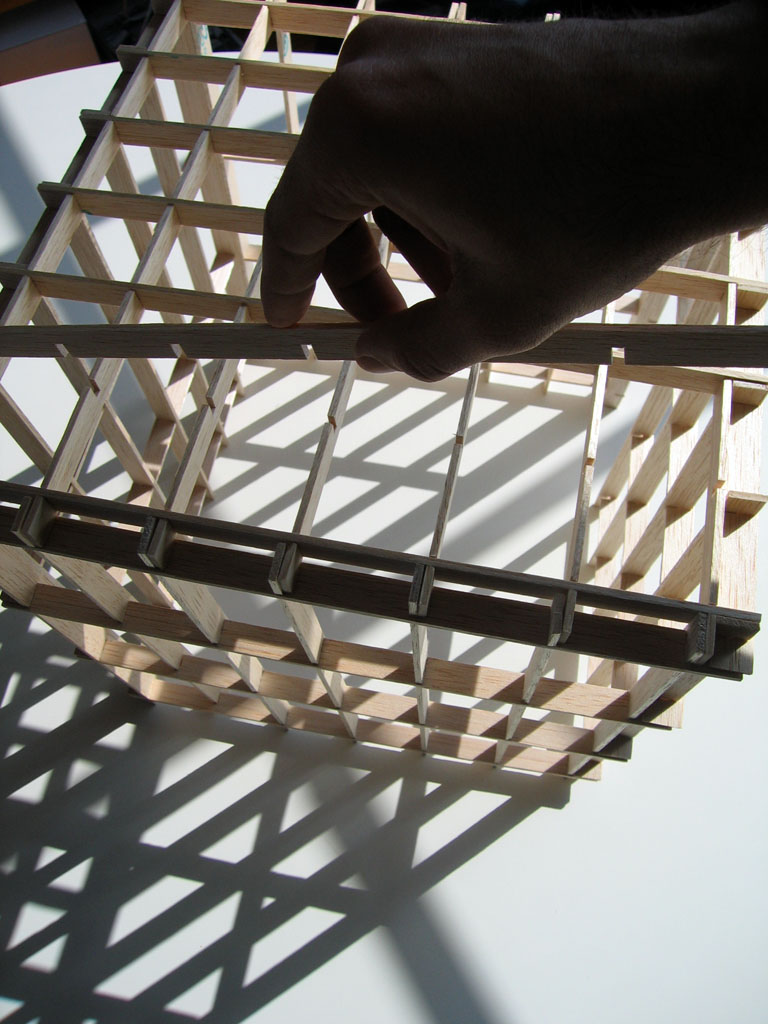
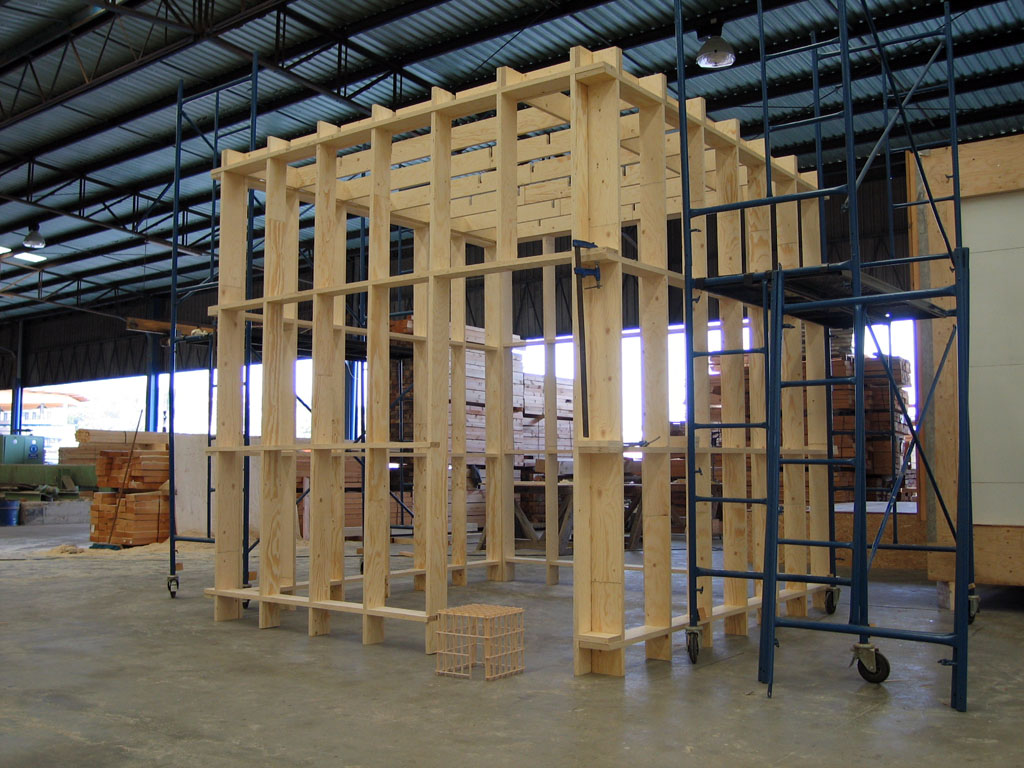
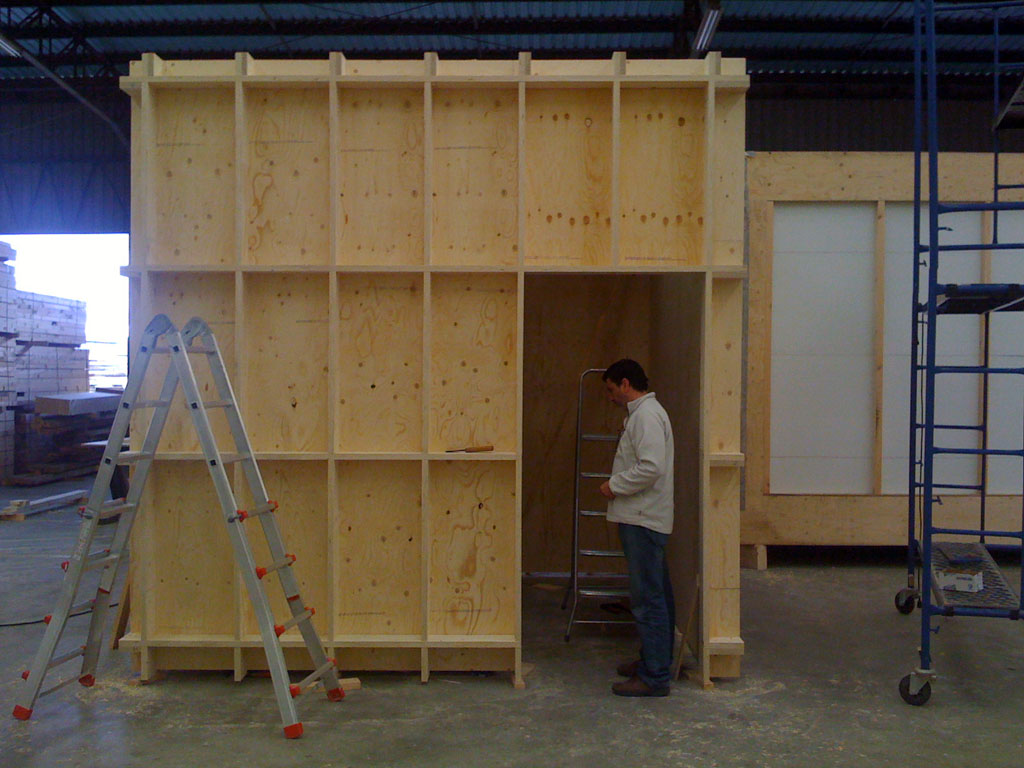
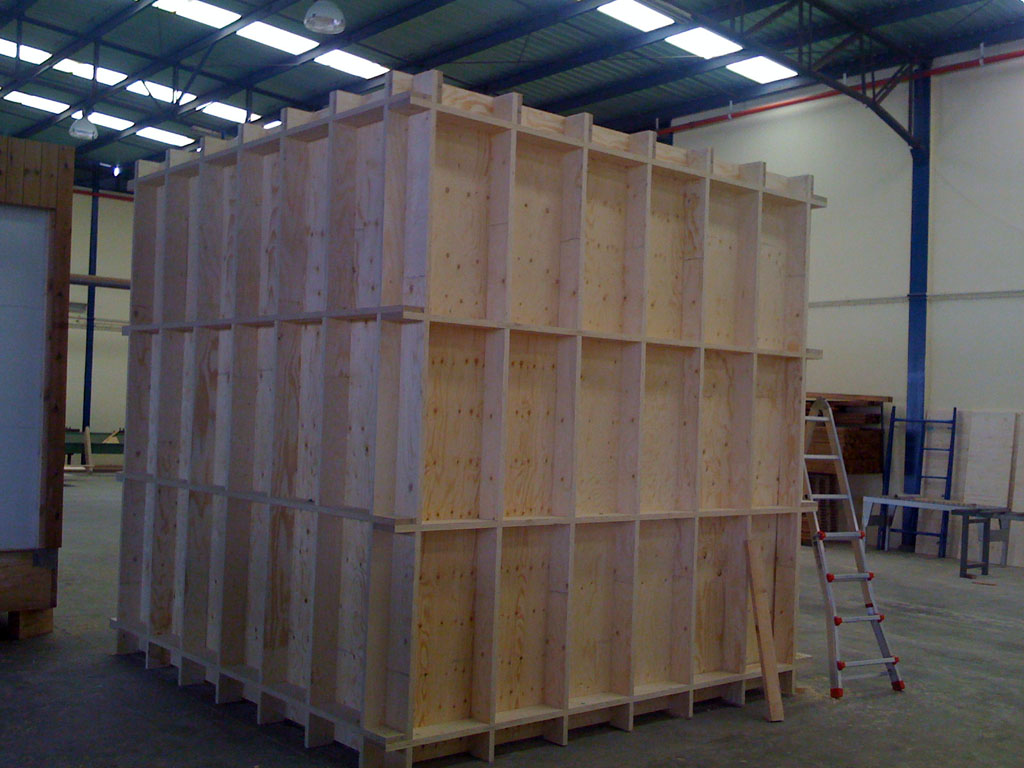
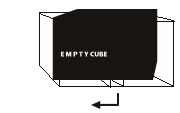
Assim, a opção de retorno a um espaço delimitado no interior do espaço expositivo corresponde a uma possibilidade de restaurar, de forma arqueológica, uma condição expositiva circunscrita como um ensaio – no sentido kirkegaardiano –, uma repetição de uma situação que denota um modo-de-usar. Esta acepção de modalidade presente no projecto do Empty Cube insere-se numa tentativa de repensar a performatividade de um espaço, cuja existência é intimamente dependente de uma efemeridade que reforça o seu carácter de evento.
Estas duas condições – a construção, como num cabinet d’amateur, de um espaço dentro de um espaço (com todas as referências que suscita a Perec), fazendo com que o projecto seja separado do contacto com a galeria e a efemeridade da situação – transformam o problema expositivo numa questão performativa.
Por outras palavras: o desenvolvimento de uma estrutura que foi pensada, concebida e desenvolvida para poder ser instalada e removida num (muito) curto lapso de tempo implica uma tónica na performatividade do próprio espaço expositivo já que é o seu desempenho enquanto transcendental do processo artístico que é testado. Por outro lado, converte-se numa máquina de constituição de relações, de partilha, a propósito da sua condição de evento.
É nesse sentido que a sua condição de micro-acontecimento convoca um conjunto de protocolos sociais e colectivos em torno da revelação fugaz do desenvolvimento de um espaço físico, da sua potencialidade como campo de possibilidades de intervenção, mas também de reequacionamento da questão do lugar sob o signo do “como se” (como se o espaço fosse real, como se fosse perene, como se fosse a reedição dos seus modelos históricos, etc.).
É por isso que o projecto do Empty Cube consiste num dos mais ambiciosos, claros, sintéticos e focados projectos artísticos que conheço. Porque na ficção temporária de comunidade de partilha que define possui a elegância construtiva da sua faktura precisa e a capacidade performativa do evento.
Delfim Sardo